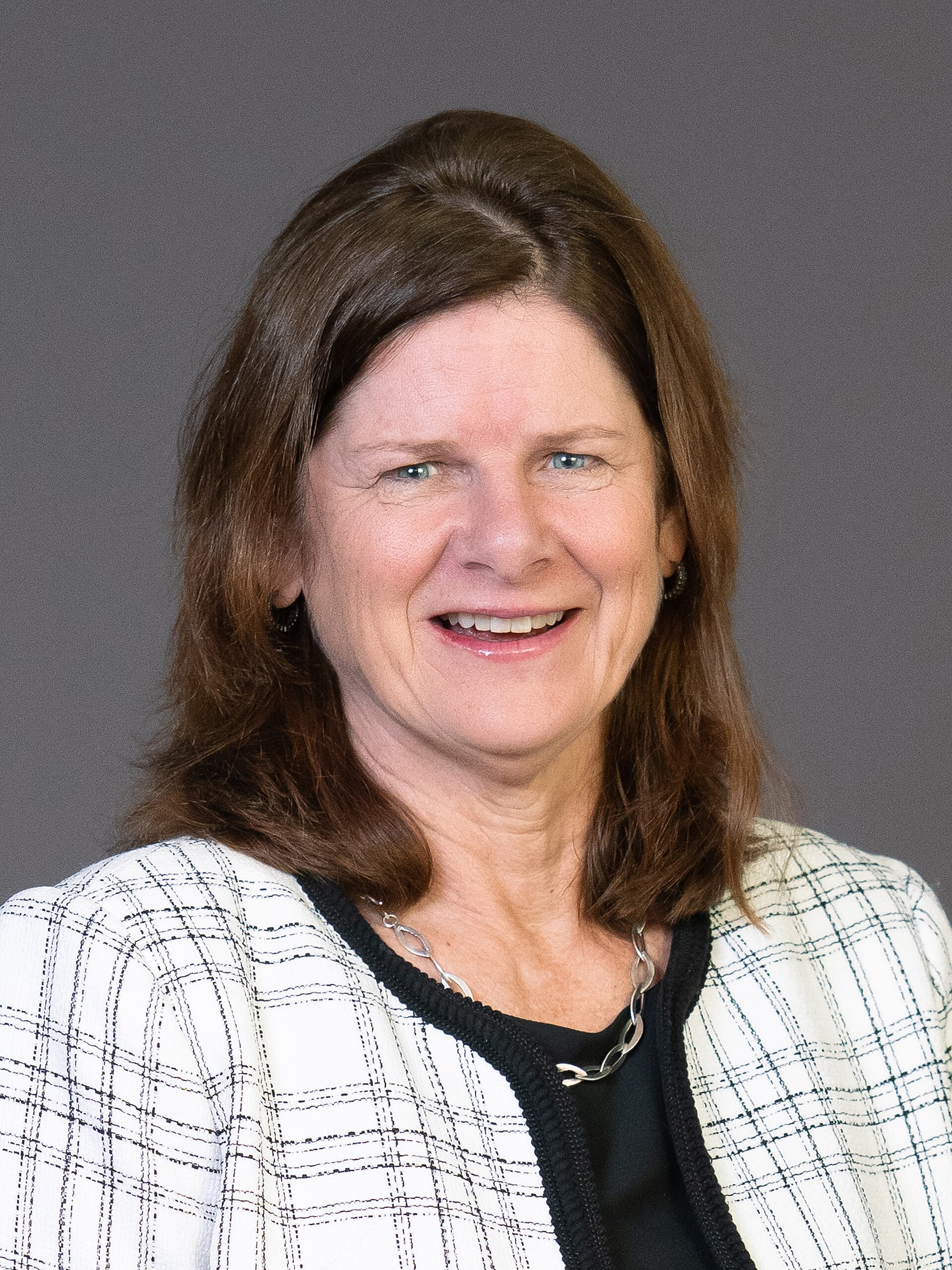
Professor Lynn Morris, Deputy Vice-Chancellor: Research and Innovation, University of the Witwatersrand
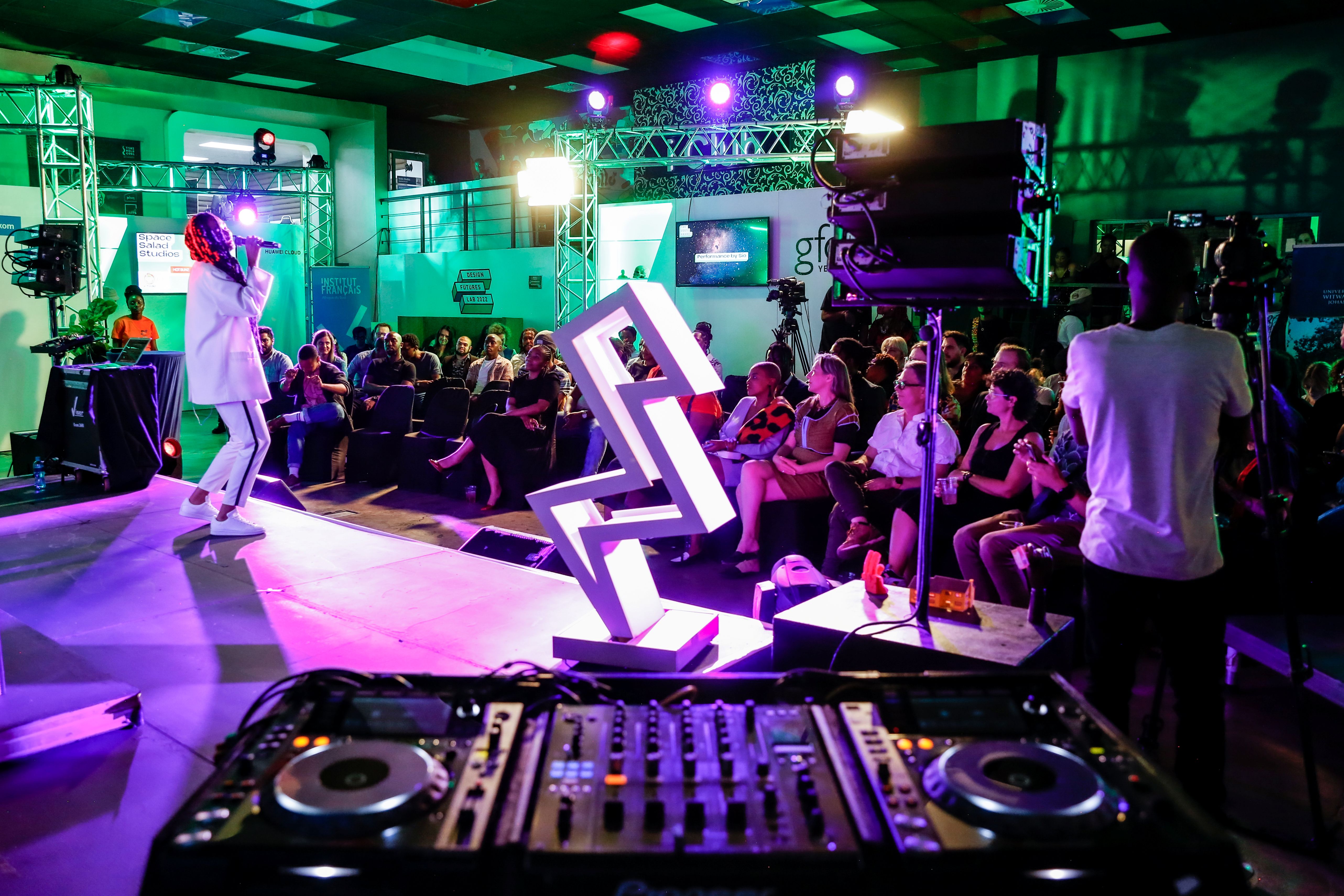
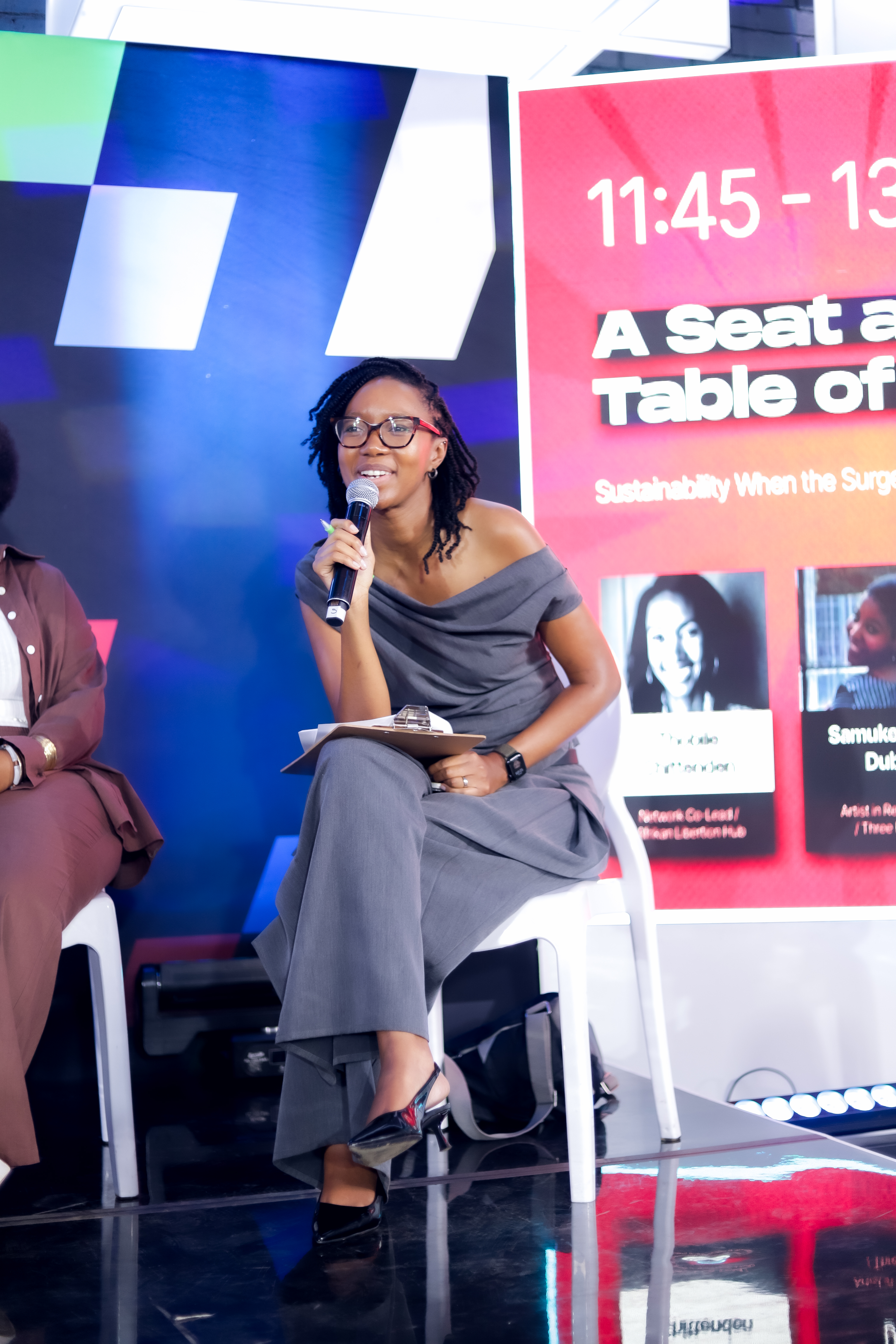
Wits has been a proud partner of Fak'ugesi since its inception, and over the years I have watched the festival grow into one of the most important spaces for digital creativity, innovation, and critical thinking on the African continent. What makes Fak'ugesi unique is that it brings together artists, researchers, technologists, entrepreneurs, and communities in ways that challenge traditional boundaries between disciplines and between universities and society.
As a research-intensive university, Wits is deeply committed to creating knowledge that has impact beyond the academy. One of the great strengths of Fak'ugesi is that it provides a space where ideas can be tested and refined through engagement with diverse audiences and practitioners. It creates a valuable feedback loop between research, creativity and real-world application that is difficult to replicate within conventional academic settings.
The theme of this year's festival, African Imaginaries, is particularly timely. Universities are often more comfortable dealing with evidence, methodology and established frameworks than with imagination and speculation. Yet the futures we can build are shaped fundamentally by the futures we are able to imagine. The technologies we develop, the research questions we prioritise, and the institutions we create are all influenced by our collective capacity to envision different possibilities. Fak'ugesi reminds us that imagination is not separate from research and innovation; it is central to them.
I am especially interested in the Memory Engines strand of the festival. Questions about how African knowledge is collected, preserved, and shared are not simply matters of heritage or cultural preservation. They are fundamental questions about knowledge infrastructure. How we recognise different forms of knowledge, including oral histories and indigenous knowledge systems, has profound implications for research across many disciplines. The work being undertaken in this area challenges us to think differently about archives and the production of knowledge itself.
The Imagination Engines programme is equally important, particularly as universities around the world grapple with the opportunities and challenges presented by artificial intelligence. The most important questions are not simply whether AI will transform higher education and research — it already is — but whose knowledge systems, languages and experiences will shape that transformation. These are not peripheral questions; they are central to how we think about the future of research, teaching and innovation in Africa and globally.
The Future Engines strand addresses another critical challenge: how we translate knowledge into practical solutions at scale. African cities are confronting some of the most complex social, environmental, and technological challenges of our time, and in doing so they are generating innovative responses that have global relevance. Bringing together researchers, urban planners, technologists, policymakers, and communities is not simply about collaboration; it is about recognising that the challenges we face do not fit neatly within disciplinary boundaries.
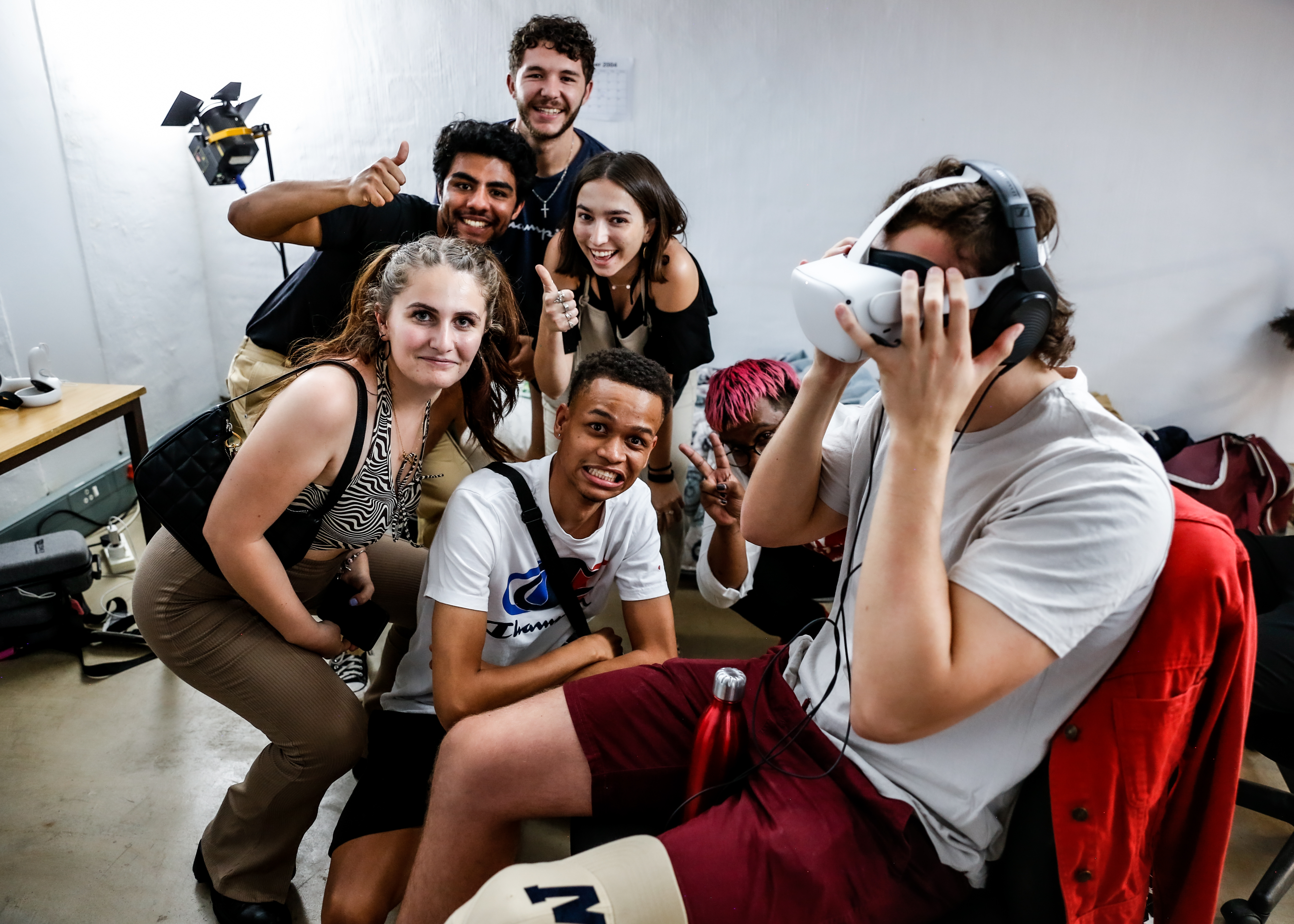
The Wits Anglo American Digital Dome provides a particularly exciting platform within this year's festival. As Africa's only 8K full-dome immersive environment, it represents much more than a technological achievement. It is a unique research and creative infrastructure that allows us to explore new forms of knowledge production, storytelling and engagement. The immersive experiences developed within the Dome demonstrate how technologies can help us understand complex questions of identity, memory and perception in ways that traditional formats cannot always capture.
Twelve years ago, Fak'ugesi posed an important question: whether African digital creativity deserved serious institutional attention. That question has long since been answered. The challenge now is how African-led innovation, creativity and knowledge production can be scaled to address the opportunities and challenges facing our continent and the world.
I do not expect a single festival to provide all the answers. But I do expect Fak'ugesi 2026 to move the conversation forward in important and meaningful ways.
The Fak'ugesi African Digital Innovation Festival takes place from 13 to 17 October 2026 at the Tshimologong Digital Innovation Precinct. I look forward to imagining the future together.